
How to identify premium-grade wildflower seeds: 6 Quality Checks
Choosing the right wildflower seeds can make all the difference when creating a wildflower meadow, transforming a patch of lawn or adding pollinator-friendly flowers to your garden. But how can you tell if you're buying high-quality wildflower seeds?
From UK-native seed provenance and traceability to germination testing and soil suitability, there are several important things to check before buying a wildflower seed mix.
At Natural Shoots, we believe you should know what you're sowing, where your seeds come from and how their quality has been assessed. Here are six ways to choose quality wildflower meadow seeds in the UK, with practical advice to help you find the right mix for your space.
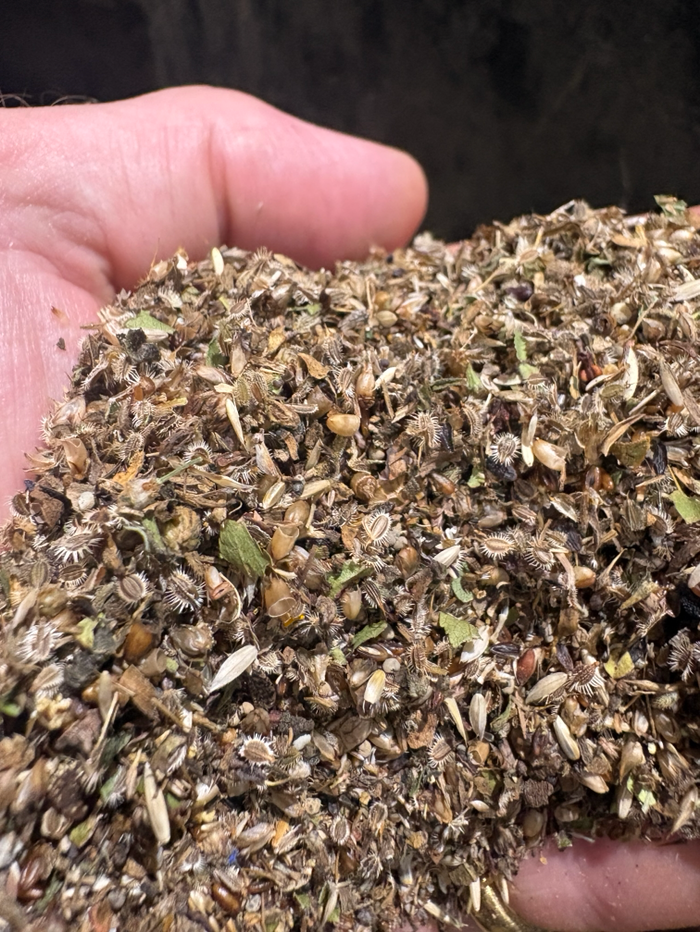
1. Choose UK-Native Wildflower Seeds with Traceable Origins
One of the first things to check when buying wildflower seeds is their origin. A packet labelled “wildflower seeds” doesn't necessarily tell you whether the species are native to the UK or where the seed itself was grown and harvested.
UK-native wildflower species have evolved within Britain's ecosystems and can provide valuable food and habitat for native insects and other wildlife when planted in suitable conditions. However, native species and UK-grown seed are not quite the same thing: seed provenance describes where the seed originates, while native status describes the species' relationship with the region.
What to look for:
A clear statement confirming whether the species are UK native.
Information about where the seeds are grown or harvested.
Traceability records linking the harvest to the finished product.
A supplier who can answer questions about seed provenance.
At Natural Shoots, all our seeds are UK-native species. They are either grown on meadows whose management is guided by us or selected from a specific two-hectare growing site.
I believe customers should be able to understand the origins of the seeds as well as the method used to harvest them when they buy, rather than relying on a generic label.
2. Check the Wildflower Seed Mix Species List
A quality wildflower seed mix should tell you exactly which species it contains. A vague description such as “wildflower mix” makes it difficult to understand what you're sowing, whether the flowers suit your site or what you can reasonably expect to grow.
Look for a complete list of the species included. Common English names make a mix easier to understand, while Latin or scientific names can help identify plants precisely.
What to look for:
A transparent list of all included species.
Accurate product information that matches the contents.
Harvest and batch records supporting traceability.
Scientific names available where more precise identification is needed.
Natural Shoots lists the species in our mixes by their common English names, with Latin names available on request. Detailed harvest records and batch tracking help us maintain traceability between the seed harvested and the product supplied.
I also believe in testing species myself before offering them for sale. I also think it is important customers can visit some of the meadows where I grow the flowers throughout the year, providing a direct connection between the products and the places from which they originate.
Knowing what's in your packet as well as the way the seed is harvested helps you make an informed decision and understand what your wildflower planting is intended to achieve.

3. Understand Seed Purity and the Difference Between Wildflower and Grass Mixes
When comparing wildflower meadow seed mixes, check whether you're buying a pure wildflower mix or a mixture containing both wildflowers and grasses.
Neither option is automatically better. The right choice depends on your site and what you want to create.
Pure wildflower seed mixes can suit flower-focused planting in prepared beds, borders, containers and some smaller areas.
Wildflower-and-grass mixes are often suitable for larger meadow areas. Appropriate fine grasses can contribute structure and provide the character of a traditional meadow. However, vigorous grasses may compete with flowers, depending on the species and growing conditions.
Natural Shoots offers pure seed mixes with a stated composition of 98% seed purity and 2% inert matter. The Shire Horse range, which uses a nature-based solution to harvest the seed, also contains grass seeds, and the included species are listed for customers to review.
Seed purity describes the proportion of the seed lot made up of the intended seed, according to the relevant specification and testing method. Inert matter is material that is not classed as pure seed. These figures are different from germination rates: a seed lot can be pure without every seed being capable of germinating.
What to look for: Check the mix composition, included grass species and stated purity. Don't assume that every product described as a meadow mix contains the same balance of flowers and grasses.
4. Look for Yellow Rattle in Meadow Seed Mixes
If you want to establish a traditional wildflower meadow in existing grassland, yellow rattle (Rhinanthus minor) is a species worth considering.
Yellow rattle is an annual, semi-parasitic plant that attaches to the roots of neighbouring grasses. It can reduce grass vigour, helping some wildflowers compete more successfully. This is why it is sometimes called the “meadow maker”.
Yellow rattle isn't essential for every planting project. It needs suitable conditions to establish, including appropriate soil preparation and good contact between its seed and the soil. It is generally most relevant when improving grass-dominated meadow areas, rather than adding flowers to a container or small ornamental border.
Natural Shoots includes yellow rattle in the 16 Species Annuals and Perennials mix and the Shire Horse 30 Species Mix.
What to look for: Check the actual species list rather than assuming yellow rattle is included because a product is described as a wildflower meadow mix.

5. Ask About Wildflower Seed Freshness, Germination and Vigor
The number of species in a packet doesn't tell you everything about seed quality. Seeds also need to be viable and capable of germinating under suitable conditions.
Seed viability can change over time, depending on the species and how the seed has been harvested, dried, and stored. Rather than relying on a universal expiry date, look for information about the harvest year, storage conditions, and quality testing.
Natural Shoots sells seeds harvested the previous year to support freshness. The seeds are checked by agronomists for size and energy rating, with testing used to assess their quality and potential to establish. Two important aspects of seed testing are germination and vigor.
Germination testing
Germination tests assess the proportion of seeds that germinate under specified conditions. Warm germination tests can indicate how many seeds germinate under favourable conditions, while some species may require additional treatments, such as cold stratification, to break dormancy.
Seed vigor testing
Seed vigor testing assesses aspects of seed performance beyond germination under ideal conditions. It can help indicate how well seedlings may cope with challenging field conditions, including drought, crusting soils and early competition.
Good test results cannot guarantee a successful meadow. Weather, soil preparation, sowing depth, moisture and aftercare all influence establishment. Nevertheless, testing gives customers useful information about the seed they are buying.
What to look for: Ask your supplier about the harvest year, storage, germination results, and vigor assessment. Follow the recommended sowing instructions and remember that different wildflower species germinate at different rates.
6. Match Your Wildflower Seeds to Your Soil and Site
Even good-quality wildflower seeds can disappoint if they're sown in unsuitable conditions.
Before choosing a mix, consider your soil type, drainage, light levels and existing vegetation. Is your soil clay, chalky, acidic or sandy? Is your site sunny or shaded? Does water collect in winter, or does the ground dry out quickly in summer?
Different wildflower species have different growing requirements. A mix suited to one location may struggle in another, so it's worth checking the product description rather than choosing solely by the flower photographs on the packet.
At Natural Shoots, my wildflower seed mixes are designed for a variety of soil types and planting situations. I can also share relevant case studies to help customers understand how the mixes have performed in different settings.
What to look for: Choose a seed mix suited to your site and ask for advice if you're unsure. Preparing the ground properly and selecting suitable species can make a real difference to establishment.
How to Get the Best Results from Quality Wildflower Seeds
Buying quality wildflower seeds is an important first step, but successful planting also depends on preparation and ongoing management.
Prepare the ground so seeds can make contact with the soil, follow the recommended sowing rate and avoid burying most wildflower seeds too deeply. Watering may be needed during dry spells while plants establish, particularly in containers and smaller beds.
Be patient, too. Some annual wildflowers can flower in their first season, while many perennial species take longer to establish and develop. A meadow habitat changes throughout the year, and its appearance will vary with the weather, soil, and species in your mix. If you're creating a larger meadow, consider how you will manage the area after flowering. Appropriate cutting and removal of cuttings can help maintain conditions suitable for many meadow wildflowers.

Choose Quality UK Wildflower Seeds with Confidence
When comparing wildflower seed suppliers, look beyond the packaging and the number of species advertised. Check UK-native provenance, traceability, the species list, seed purity, freshness, testing, and suitability for your site. I also think it is important to check how the seed is harvested. A nature-based solution will ensure the meadow habitat is maintained and enhanced.
At Natural Shoots, I combine UK-native wildflower species with traceable harvest records, agronomist checks and a range of mixes for different planting needs. I believe in understanding the species I sell and being able to show customers the meadows where some of the seeds are grown.
Whether you're planting a container, a garden border or a larger meadow, knowing what's in your seed mix is the first step towards a better result.
Explore the Natural Shoots wildflower seed mixes at naturalshoots.co.uk and find a mix suited to your space.
Comments